Popovers, anchor positioning, scroll-driven animations and stylable selects now ship in real browsers. What each one replaces, the code to use, and where you still need a fallback.
On October 27, Firefox 159 shipped scroll-driven animations. That was the last major browser to turn them on, so reading progress bars and reveal-on-scroll effects now work in Chrome, Edge, Safari and Firefox with no JavaScript at all.
I had Claude Code, an AI coding agent, move this blog from JavaScript-rendered pages to static HTML. It was a real job: new build tool, new templates, five posts converted, redirects for old links, a sitemap, a feed and structured data.
Every post on this blog used to look like the same page to search engines and link previews. What moving to Eleventy fixed, and the bugs that showed up along the way.
Until this month, every post on this blog lived inside one JavaScript file. blogData.js held an array of posts, and each post was a list of blocks: paragraphs, headings, lists and code. A single page, article.html, loaded that file, read the slug from the URL (article.html?slug=css-box-model-basics), found the matching post…
In many classrooms, knowledge is treated as the final destination. In reality, it should be the starting point. When students build something real, solve a problem, or apply a concept to a practical task, the learning changes shape. It becomes durable.
CSS alone should drive most responsive behavior, but there are times when business logic depends on the viewport. matchMedia lets you subscribe to those breakpoint changes without polling the window size.
Every element you ship is a box, even if it does not look like one. When layout bugs appear, I inspect padding, border, and content measurements before touching anything else.
Dark mode is no longer an optional theme—it is a core part of brand perception and accessibility. The key is to lead with semantics: define tokens, respect user preferences, and avoid one-off overrides when something feels misaligned.
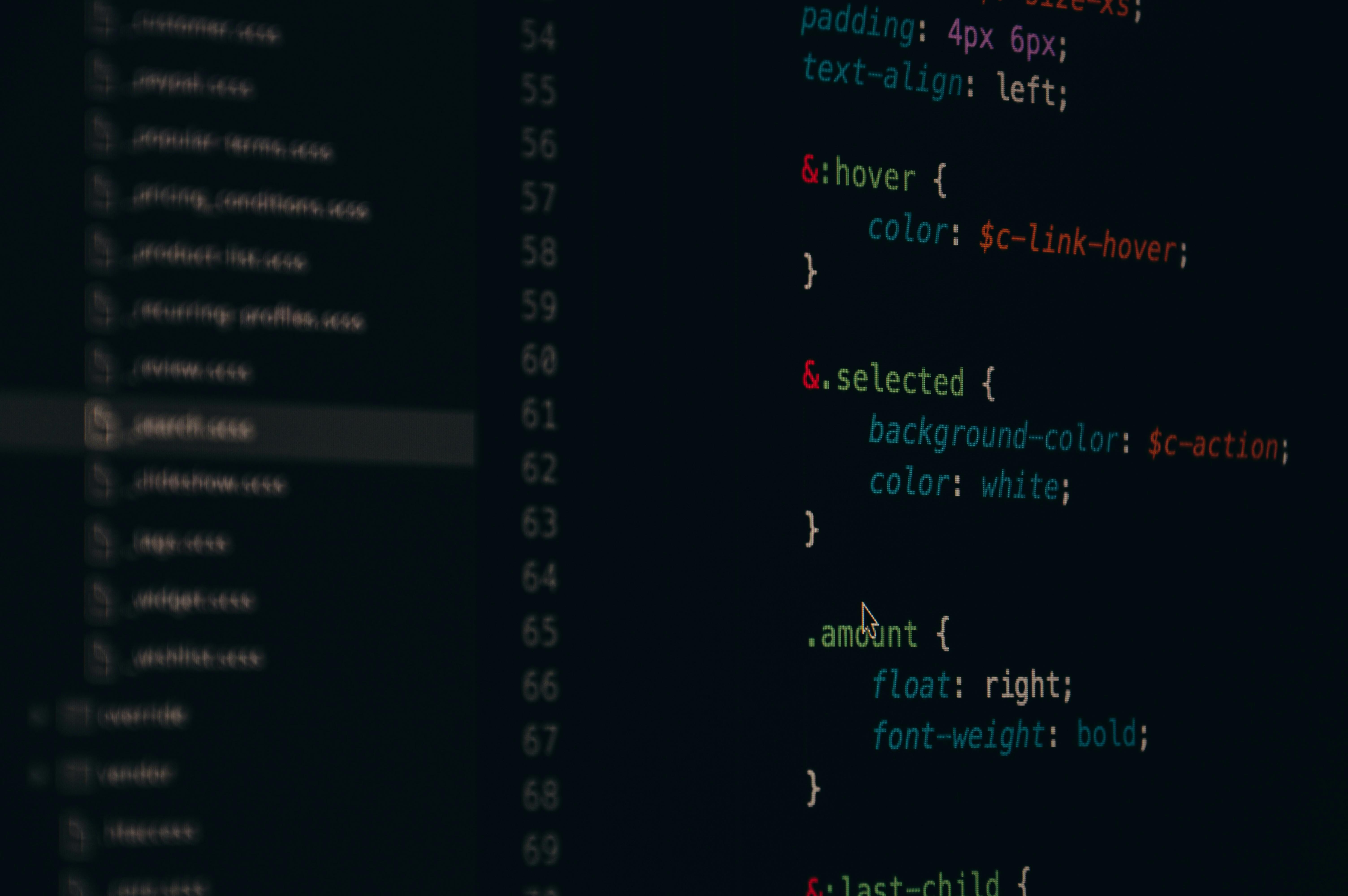
Native CSS nesting finally shipped in stable browsers in the last couple of years, and it is already reshaping how teams organize their design systems. Instead of duplicating selectors or relying on preprocessors, you can express relationships directly in the stylesheet and keep components portable across frameworks.